
Industry News
EG GROUP CO-CEO TO RESIGN: REPORT

One of EG Group’s founders plans to leave the convenience retailer after more than 20 years of business, according to a report from Bloomberg News. Zuber Issa, co-founder and co-CEO of EG Group, revealed his forthcoming resignation in a bond prospectus seen by Bloomberg. According to that notice, the executive will leave his older brother and co-CEO, Mohsin Issa, who he founded EG Group with, in full control of the company. Additionally, the bond prospectus noted that Salim Hasan, chief operating officer for EG Group, also plans to leave the company. A spokesperson from EG Group declined to comment. According to Bloomberg’s report, Zuber Issa and Hasan will only depart from the company once Issa “completes his own deal to buy a number of sites from EG Group.” According to the Financial Times, those assets are located in the U.K. and Ireland, and a deal may occur “in the near term.” Bloomberg’s report…
Read MoreWHY AND WHERE SHELL IS SELLING 1,000 C-STORES
Shell turned heads across the convenience store industry last month when it revealed that it plans to sell 1,000 company-owned retail sites around the globe by 2026. The convenience retailer and oil giant didn’t outline many details of this strategy, like why it’s looking to sell these sites or where they’re located. Shell shared the plan in its 2024 Energy Transition Strategy report. Shell only noted in that report that these moves will be connected to its multi-billion-dollar program to upgrade its retail network with low-carbon energy solutions, including a heavy focus on electric vehicle charging stations. However, it turns out that Shell had already quietly announced these plans — and the reasoning behind them — during its Capital Markets Day last summer. During that meeting, multiple executives from Shell said that these planned divestitures underscore the company’s broader goal to to reduce its capital expenditures from about $6 billion as of last…
Read More7-ELEVEN PARENT COMPANY SET FOR M&A GROWTH IN NORTH AMERICA
Nikkei Asia reported that Seven & i Holdings will focus on strengthening its convenience store business through mergers and acquisitions in North America while also pursuing an initial public offering of its struggling supermarket business. Reuters reported: “Under pressure from activist investors, Seven & i has been selling off underperforming retail assets and doubling down on its global convenience store business centered around its flagship 7-Eleven brand.” Seven & I Holdings announced that “we will create a globally integrated [convenience store] management structure, including Japan and North America, with a unified leadership.” The moves will allow the company to develop “more aggressive” investment plans for the global convenience store business. According to Nikkei Asia: “The action plan reflected the committee’s recommendations, including improving profitability of the convenience store business in North America. The company expects the region to be a ‘key driver’ for growth and is considering accelerating the pace of acquisitions.” The action…
Read MoreAMBITIOUS EV CHARGING
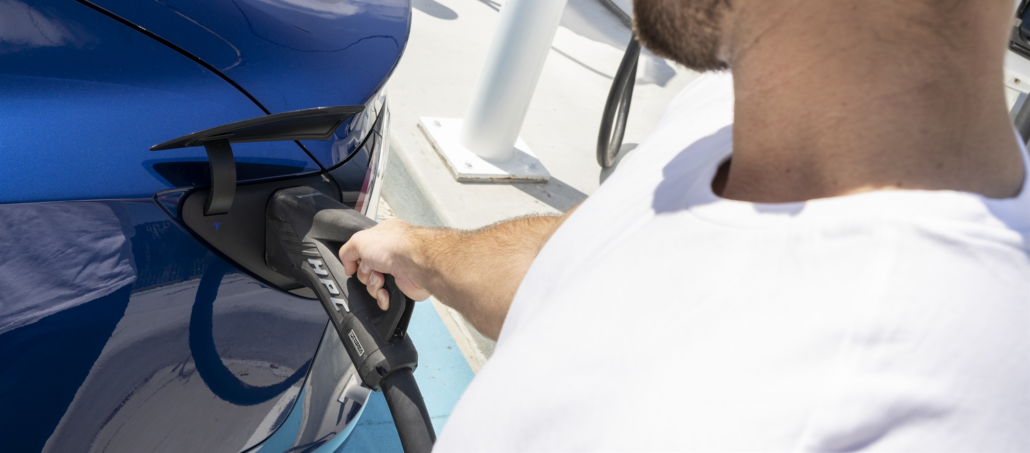
This article first appeared in its original format on Roads & Infrastructure and has been reproduced with permission. It has been updated to include the latest information. One of the biggest challenges to the uptake of electric vehicles (EVs) is the lack of charging infrastructure across Australia. While state governments and private enterprises are working to rectify this issue, the scarcity of charging infrastructure co-located with places for people to rest remains an ongoing concern. There are a range of opportunities for the right businesses to integrate charging infrastructure with food, beverage, and rest facilities. An ideal location for these would be the enormous number of petrol stations dotted around the country. Many already have food and beverage facilities for customers and their expansion to incorporate rest facilities could revolutionise the uptake of electric vehicles across Australia. Viva Energy is working to shift the thinking around EV charging. It has entered into…
Read More$5.2 MILLION WORTH OF ILLICIT TOBACCO FOUND IN MOORABOOL

More than 2700 kilograms of illicit tobacco was seized from a property in Pentland Hills last week. The Australian Taxation Office (ATO), with the support of the Australian Border Force led Illicit Tobacco Taskforce (ITTF) and Victoria Police’s VIPER Taskforce, seized and destroyed the tobacco after officers visited the Penland Hills property as part of Operation Bonnybridge. The officers located four acres of illicit tobacco crops with an estimated excise value of $5.2 million. They also found and seized numerous electronic devices and CCTV footage and collected intelligence to assist with their inquiries. ATO assistant commissioner Jade Hawkins reiterated the importance of community tip-offs in the fight against illicit tobacco. “This successful outcome is the result of a tip-off to the ATO,” she said. Not only were we able to bring this criminal operation to a halt but we were also able to disrupt distribution to the retail sector and…
Read MoreU.S. CONVENIENCE STORE SALES HIT $860 BILLION
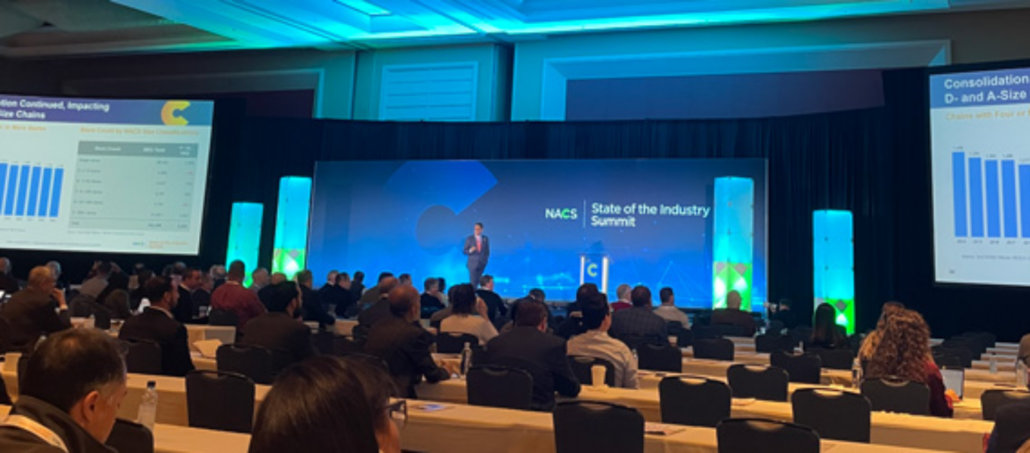
Convenience stores saw record sales in stores in 2023, according to newly released data from the National Association of Convenience Stores (NACS). Total convenience industry sales in 2023 were $859.8 billion, of which $327.6 were from in-store sales. The average basket—what customers spent per visit—increased 3.7% to $7.80. Overall, total industry foodservice sales—which includes prepared food; commissary; and hot, cold and frozen dispensed beverages—represented 26.9% of in-store sales, up 1.3 percentage points in 2023 from the year prior. Profits from foodservice were even more impressive: 37.3% of total in-store profits. Four of the five categories that comprise foodservice made the top 10 in-store sales categories, led by prepared food, which grew 12.2% to $51,500 per store per month, making it the No. 1 category for in-store sales. Other foodservice categories in the top 10 were hot dispensed beverages, cold dispensed beverages and commissary items. Convenience stores, which sell an estimated 80%…
Read More